
Marrakech in 5 days: at a glance
- The city divides into clear zones: two days in the medina (Jemaa el Fna square, souks, the Bahia and El Badi palaces), a day of museums and gardens on the Guéliz side, a day in the outskirts of Marrakech, countryside or Agafay desert, and a day in the palm grove or the Atlas.
- Five days let you move at an easy pace: the souks are best explored in the morning, most gardens open around 8am, and the desert is visited late in the day for the sunset (around 6-7pm depending on the season).
- To plan ahead: book the Majorelle garden and the excursions outside Marrakech in advance, and bring closed shoes for the cobbles of the medina.
Marrakech can be reached in about 3hr 30 by direct flight from Paris, which makes it a destination that is close by, yet offers a complete change of scenery, for a week-long stay. The red city brings together several registers within walking or taxi distance: the palaces and souks of the medina, the museums and gardens of the modern districts, and the landscapes of the outskirts of Marrakech, countryside and the Agafay desert, less than an hour’s drive away. Five days are enough to cover these zones at a reasonable pace, taking the time to linger in the souks, sample the local cuisine and vary the atmospheres rather than rushing from one sight to the next. Here is a day-by-day itinerary, with practical budget markers.
How to plan your trip to Marrakech?
Preparing a stay in Marrakech mainly means sorting out the logistics beforehand. A direct Paris-Marrakech flight lasts about 3hr 30. From Ménara airport, allow 20 to 40 minutes by taxi or shuttle to reach the medina: it is the most central area for a first stay, within walking distance of most of the historic sites.
The budget is set according to the level of comfort you are looking for, with three indicative tiers to confirm on site. On accommodation, per night: a simple riad in the medina goes for around €50 to €70; a renovated boutique riad sits more between €90 and €150, often the best value for location and welcome; the guesthouses and design hotels of the Hivernage or the palm grove start at around €200 and are justified by the service, the spa and the setting. On dining, per meal: the street food and the food stalls of Jemaa el Fna square run around €5 to €15; a medina restaurant or a terrace costs €20 to €40; a fine-dining table or a rooftop starts at around €50. As in most tourist cities, in Europe and elsewhere, each tier has its appeal: the mid-range generally offers the best balance, and the high end is paid for above all in comfort and service.
What to see in the medina over two days?
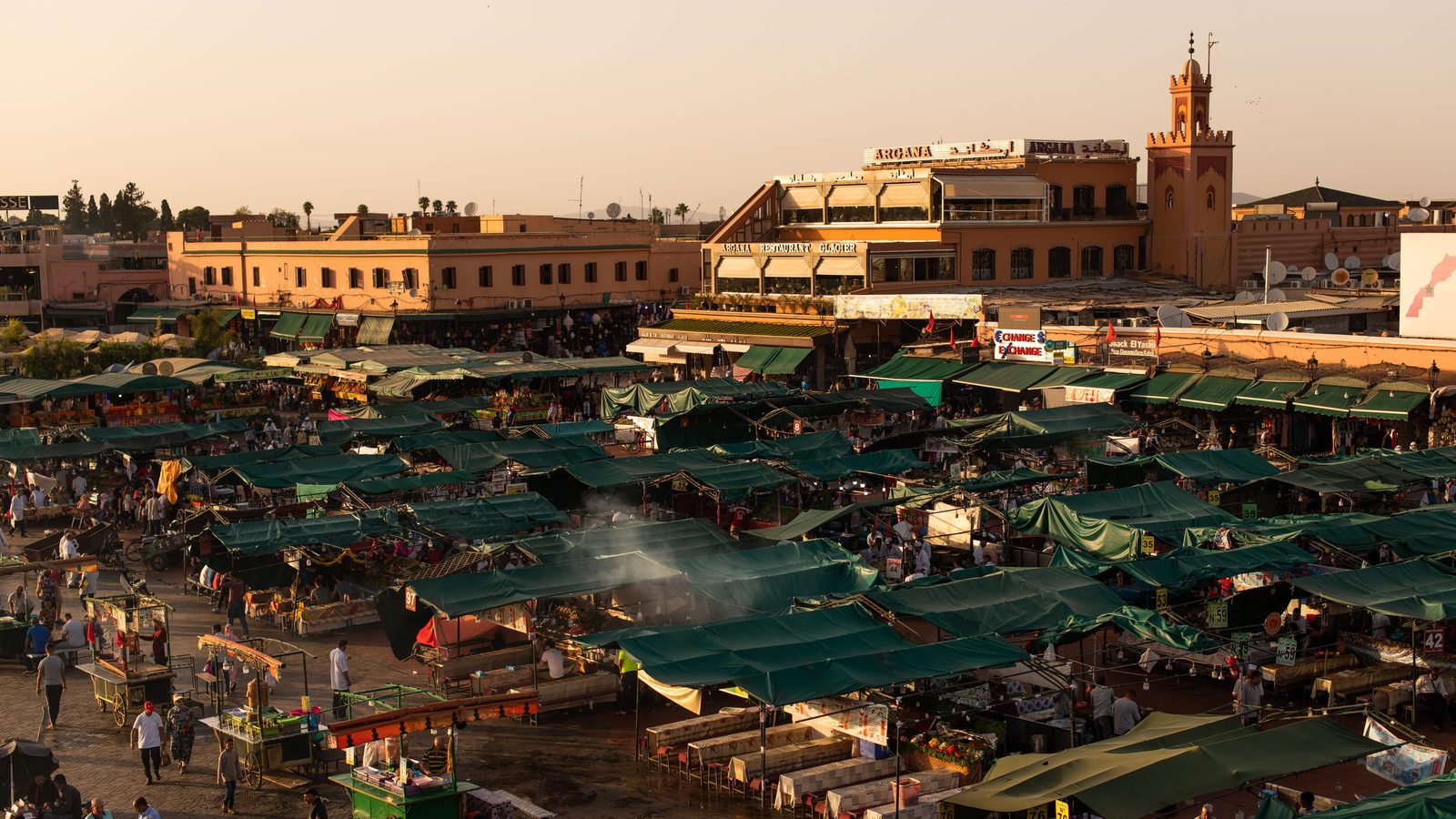
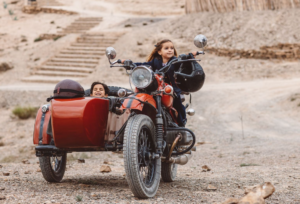
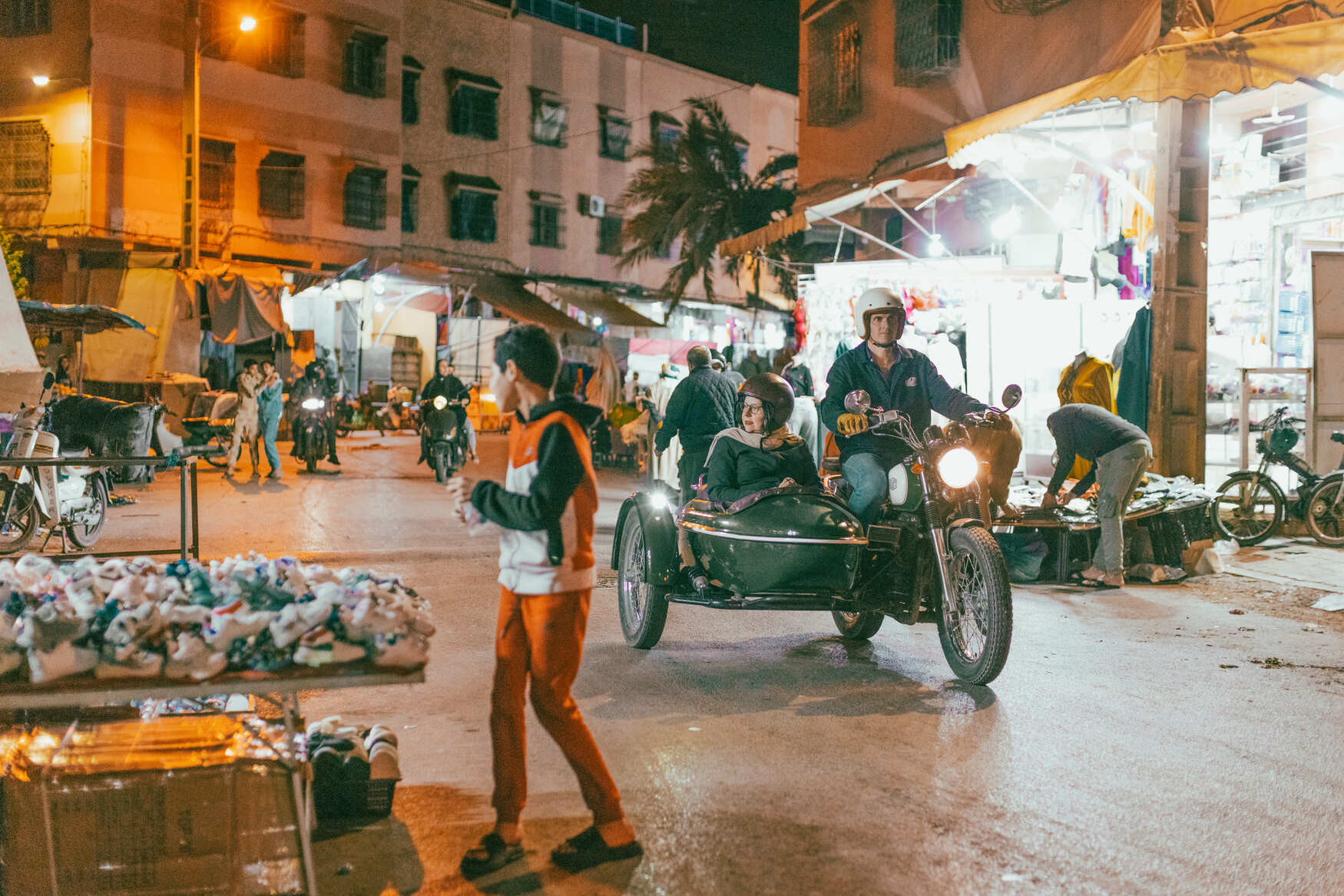
The medina concentrates most of the historic sites of Marrakech within a dense network of lanes. Two days let you take it all in without rushing: one for the square and the souks, one for the palaces and monuments. The distances are covered on foot, as motorised traffic is very limited there. The Marrakech Insiders side-cars remain the most practical way to explore the medina.
What are the iconic sites not to miss in the medina?
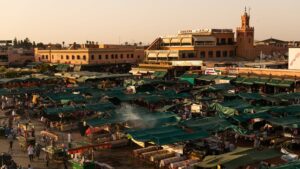
Jemaa el Fna square, a UNESCO World Heritage site, is best approached at two moments: in the morning, quieter, and at the end of the day, when the food stalls set up and the crowds build. There you come across gnawa musicians, orange-juice sellers and street-food stands. Two visits at different times give a fuller picture of the place.
All around, the souks are explored at walking pace: spices, copper lanterns, rugs and leather are laid out by guild. The scent of spices, the sound of the workshops and the colours of the stalls are as much part of the experience as the shopping. Bargaining, always with a smile, remains the custom. Bring closed shoes: the ground is cobbled and sometimes uneven, and the lanes can get crowded in the middle of the day.
On a five-day stay, there is still room for a guided reading of this maze. The Essential Ride from Marrakech Insiders devotes 1hr 30 to two of the city’s three worlds, of your choice — the Palm Grove, the modern Guéliz or the historic Medina. Medina version, you go through the lanes where life carries on, the kasbah, the Mellah, the tanners’ quarter, with a route detail settled at departure, vintage map in hand, according to your interests and your pace. Placed on the first day, it saves time on the following four. And after nightfall, the Night Ride (1hr 30) lets you travel through the medina at the hour when the kitchens set up, street-food break included.
Which palaces and historic monuments to visit in the medina?
The Bahia palace, reachable on foot from the square, is worth visiting for its patios, its carved ceilings and its zellige tilework. A few minutes away, the El Badi palace is explored under the open sky: of the original complex, mainly the ramparts and the vast courtyards remain, where storks nest. The two sites combine well over the same half-day.
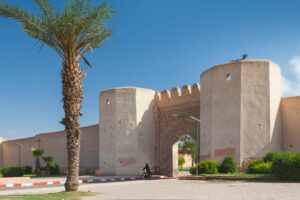
Not far off, the Koutoubia mosque and its minaret serve as a landmark across the whole city. Indoor access is reserved for Muslims, but the building can be admired from the public gardens surrounding it, pleasant for a shady break in the middle of the day.
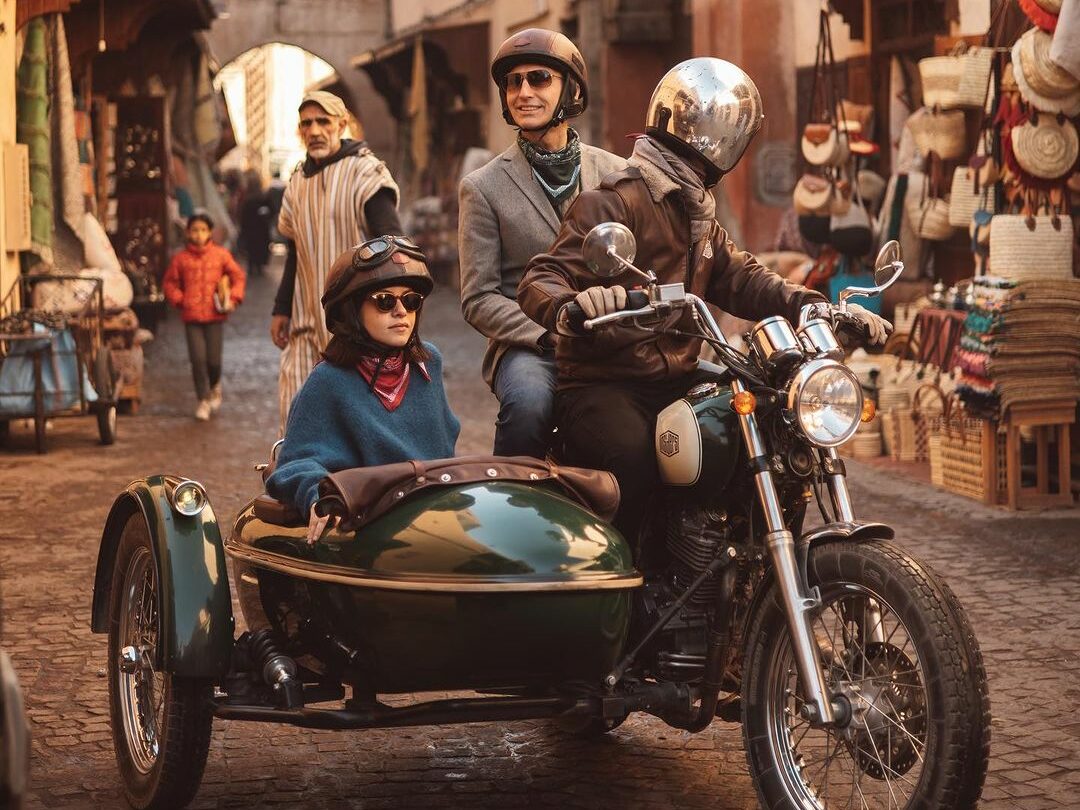
Get ready for your next adventure with our sidecar city tour of Marrakech
Which museums and gardens to discover in Marrakech?
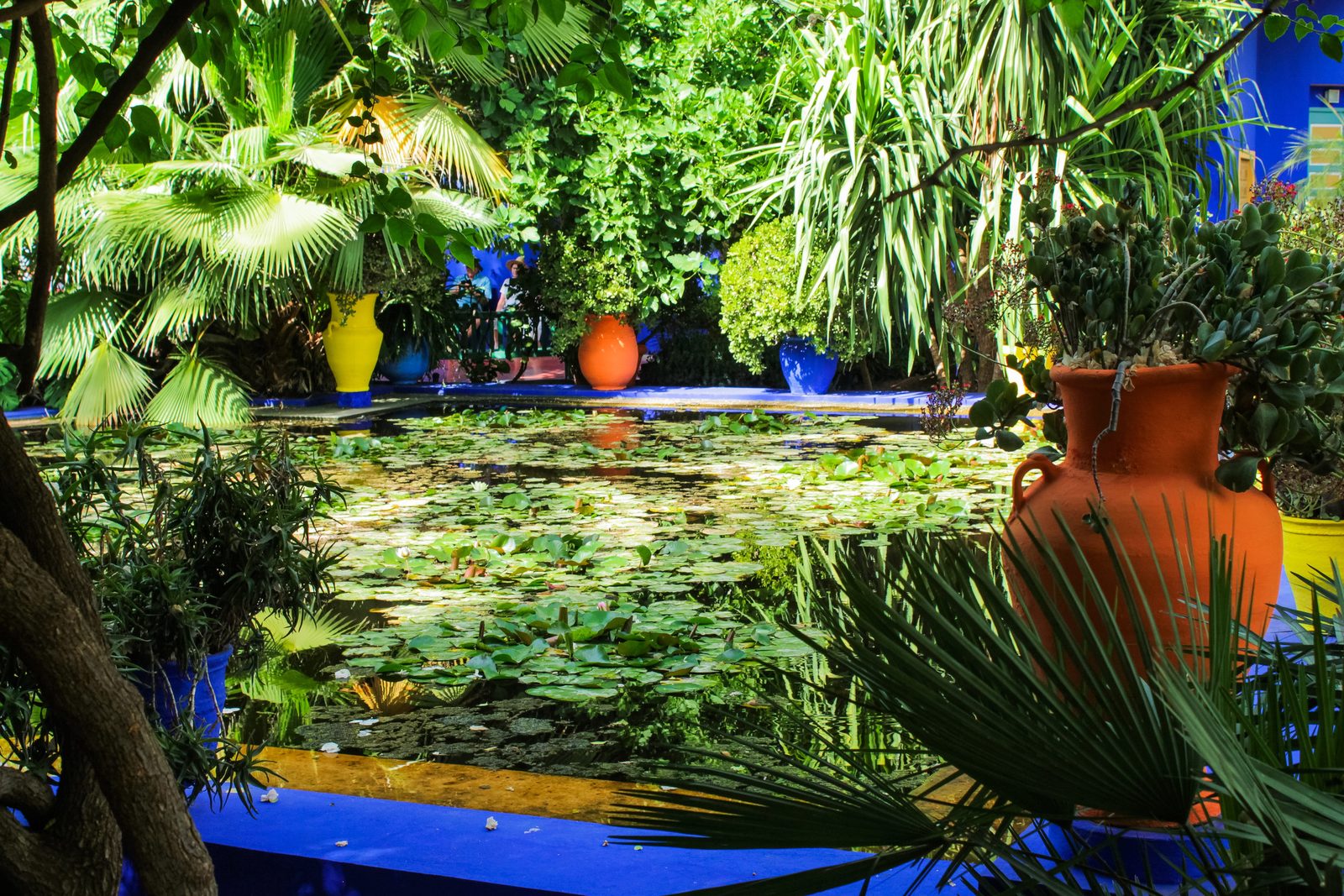
Beyond the medina, the modern districts of Marrakech, particularly the Guéliz, bring together several museums and gardens. They make a good third day, quieter, between two sequences in the old town.
Which museums are really worth the detour?
The Yves Saint Laurent museum, in the Guéliz, showcases the couturier’s work and his connection with Moroccan colours. Right next door, the Berber museum traces the history of the Amazigh peoples through jewellery, textiles and everyday objects. The collections remain accessible to children thanks to short, easy-to-read displays.
The museum of Marrakech, set in a former palace restored in the heart of the medina, is also worth a stop. Its central patio adorned with zellige tilework offers a welcome shady break in the afternoon, when temperatures climb.
What these museums tell in fragments, a route can connect: in the 1960s, the ochre city drew a bohemian jet set, from Saint-Laurent to Warhol, whose addresses are still there. That is the thread of the Iconic Ride (3hr), which extends the Majorelle and Yves Saint Laurent morning towards other addresses of that period: Dar el Hench, the first home of Saint Laurent and Bergé, the Bab El Khemis flea market, an Art Deco villa in the Palm Grove, La Trattoria decorated by Bill Willis.
Which gardens to explore for a nature break?
The Majorelle garden brings together bamboo, cacti and pools around the blue that made its reputation. It is among the most visited sites in the city: arriving at opening time (around 8am) or booking a ticket in advance limits the wait, especially during the school holidays. The Secret garden, in the medina, and the Ménara, with its pool lined with olive trees, round off the visit; the Ménara lends itself well to the end of the day, at the hour when the light fades.
These green spaces offer a sharp contrast with the bustle of the lanes: they lend themselves to strolling, to watching the birds and the tortoises, and to a break before heading back to the centre. It is also a chance to slow the pace in the middle of a packed stay.
What experiences to enjoy outside the city centre?
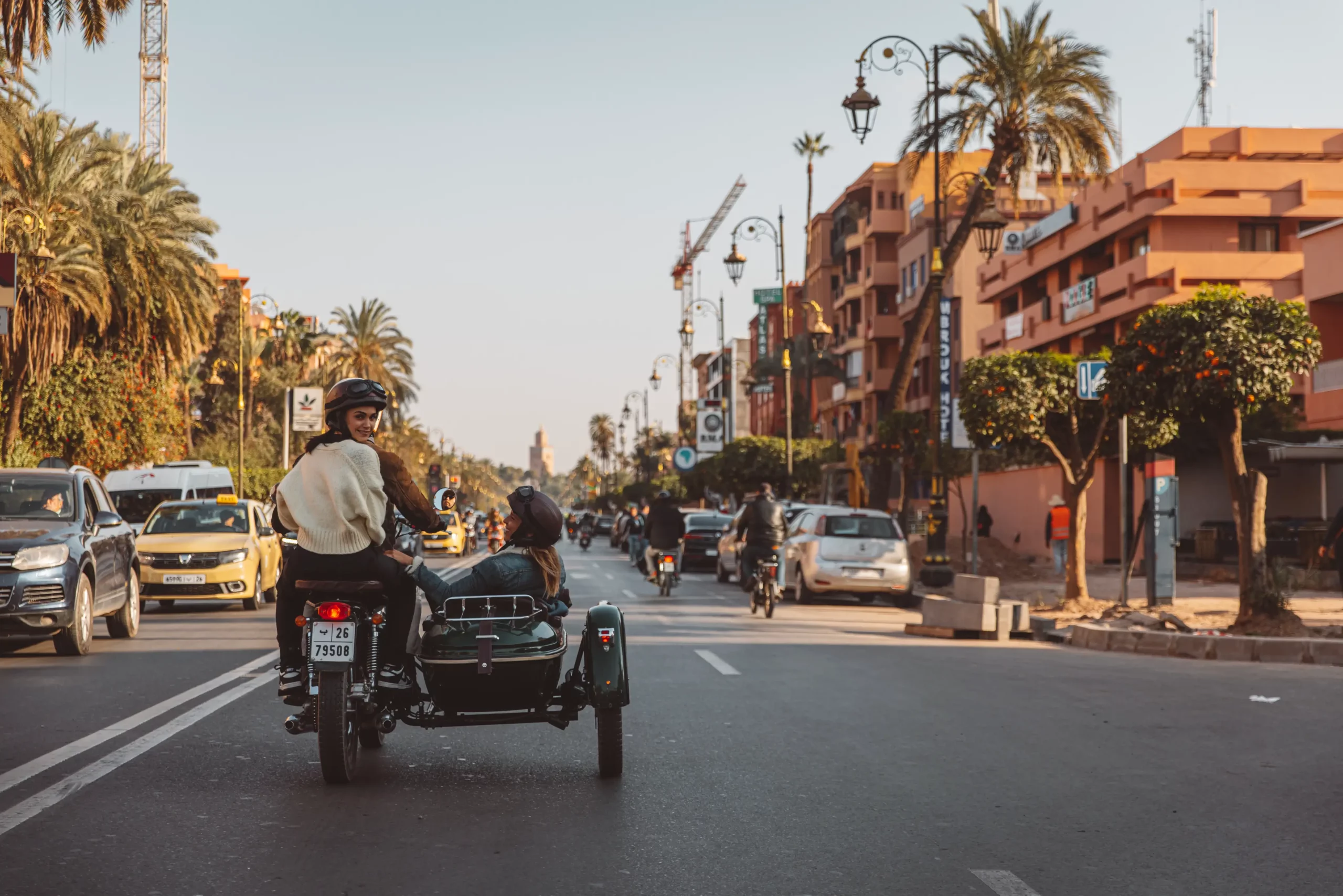
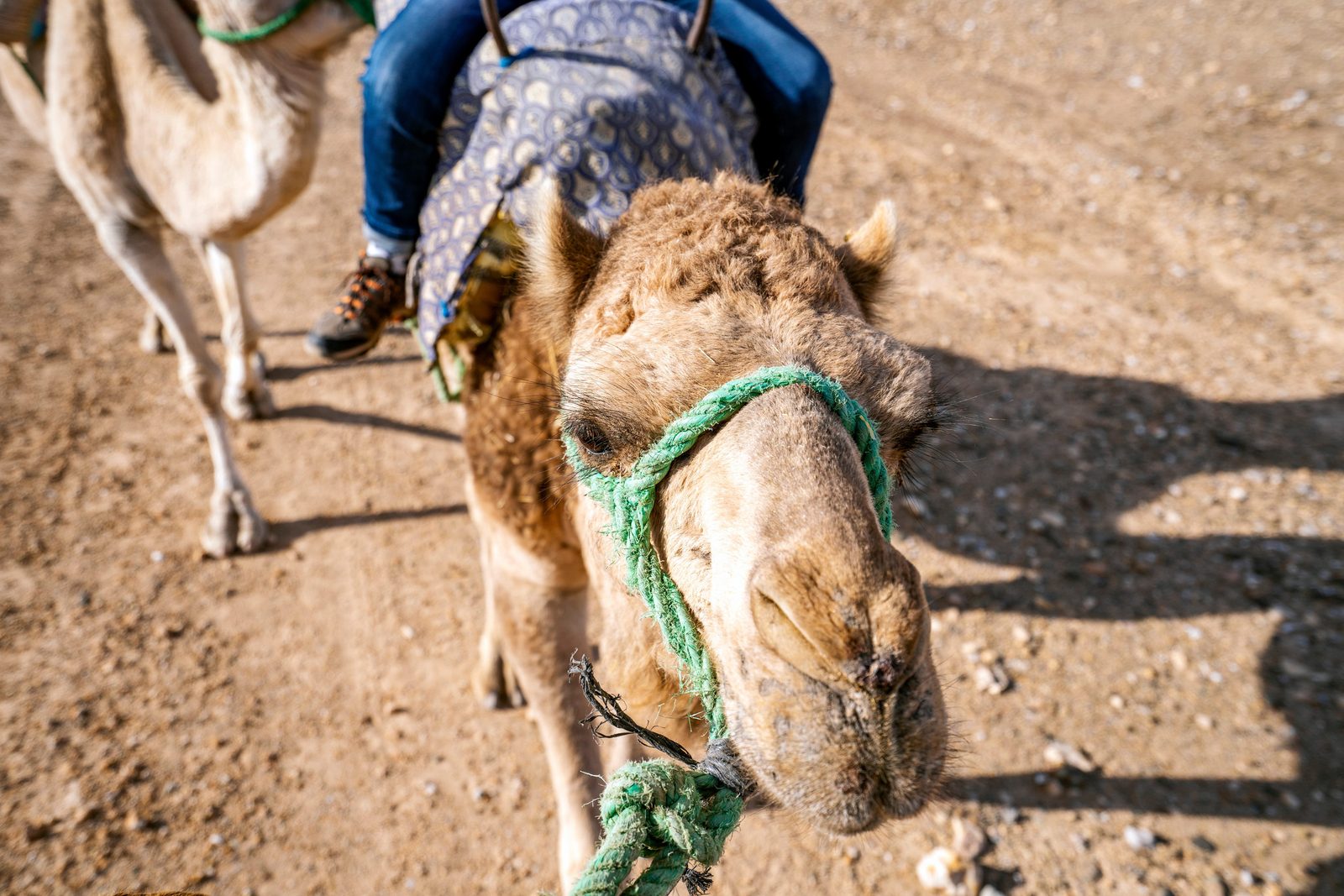
After three days in the city, the last two days lend themselves to the surroundings of Marrakech. The landscape changes fast: within a few dozen kilometres, you move from stony desert to the foothills of the Atlas.
Why go on an excursion around Marrakech, as far as the Agafay desert?
Less than an hour’s drive away, the outskirts of Marrakech offer breathtaking landscapes: the lush countryside covered with olive trees, with the snow-capped Atlas in the background from winter to early spring, then the Agafay desert and its mineral landscape of golden hills and pale stones, without sand dunes unlike the Sahara. The visit is most often arranged at the end of the day, for the sunset, with mint tea in a camp and, as an option, a ride on a dromedary. It is a sequence that engages several senses: the raking light, the silence, the heat easing off and the sweet mint tea.
Let yourself be guided by Marrakech Insiders, who will arrange an Oasis Ride in a side-car for you: enough to make the most of these landscapes.
One point to check when booking: the temperature drop in the evening, which can be marked once the sun has set.
Discover all our Marrakech excursion rides
Where to find tranquillity and authenticity outside the city?
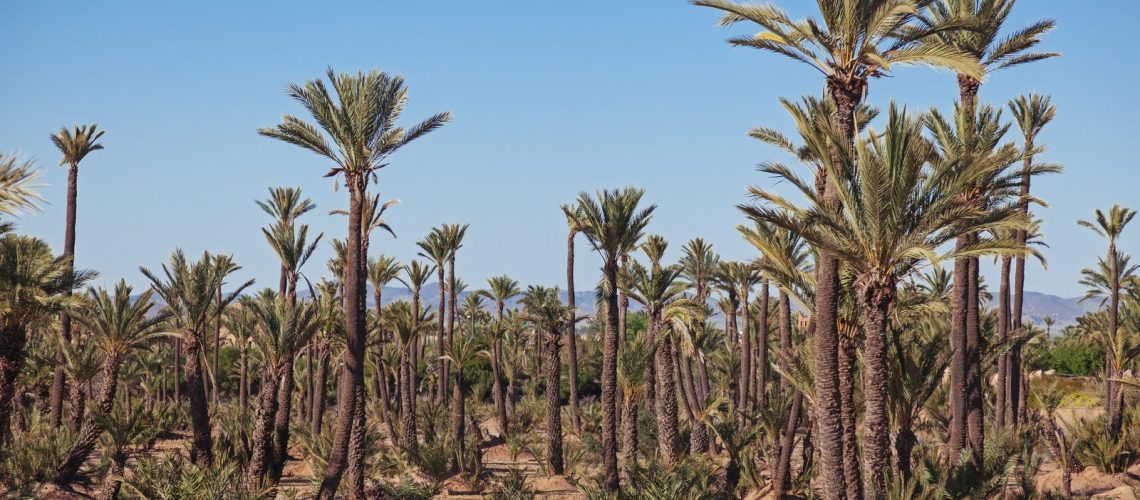
The palm grove, close to the centre, lends itself to a quieter morning: Marrakech Insiders takes you there by side-car for maximum comfort and an unforgettable experience, and you can also go horse or dromedary riding and picnic under the date palms. Another option, the Atlas mountains: you can approach them with our Oasis Ride, or for a sporty hike with a local guide and a lunch with a host family, often around a tagine prepared on the spot, which extends the discovery through the plate. A day trip can also be arranged to take you to Essaouira, on the Atlantic coast. You also have the option of going to discover the Ouzoud waterfalls, which drop 110 metres into the valley of the oued el-Abid, 150km east of Marrakech, on the edge of the High Atlas.
These excursions reveal another face of the region, at a slower pace. Depending on the season, bring a light fleece for the heights, where it is noticeably cooler, particularly from November to March.
The palm grove itself can be explored in several ways. The Secret Ride (3hr) is the only one to link the city’s three worlds in a single ride: the khettaras, those irrigation galleries dug beneath the date palms that kept the oasis alive for nine centuries, the Art Deco façades inherited from the protectorate in Guéliz, then the Bab El Khemis flea market (closed on Fridays) — the itinerary adjusting to your interests. As a family, the Kids Ride (1hr 30) shortens the route around a photo stop among the camels and an ice-cream break on the way back through the medina, and the Sadaka Ride (3hr) pushes through the medina and the Palm Grove as far as Dar El Sadaka, the private sculpture park, closed to the public, of the French artist Jean-François Fourtou, “La Maison tombée du ciel” and “La Maison du Géant” — enough to fill the fifth day without taking the Atlas road again.
How to pace your five days in Marrakech?
The table below suggests a balanced distribution over the five days, alternating must-see sites, breaks and quieter discoveries. It remains indicative and adapts to the weather and the group’s pace.
| Day | Morning | Afternoon | Evening |
|---|---|---|---|
| 1 | Medina and souks | Bahia and El Badi palaces | Dinner on Jemaa el Fna square |
| 2 | Koutoubia mosque, museum of Marrakech | Strolling through the lanes, hammam break | Traditional show evening, or medina by night in a side-car (Night Ride, 1hr 30) |
| 3 | Majorelle garden and Yves Saint Laurent museum | Ménara, Secret garden | Street-food tasting |
| 4 | Excursion into the outskirts of Marrakech | Lunch on site | Sunset over the hills |
| 5 | Ride through the palm grove or the Atlas | Crafts and souvenirs | Last evening in a riad |
What practical tips for a successful stay in Marrakech?
A few pointers make daily life easier on site. In the medina, getting around is almost entirely on foot: comfortable shoes are useful. To reach the modern districts or the more distant sites (Yves Saint Laurent museum, gardens), the official taxi remains the most practical, meter running or price fixed at departure. The tourist horse-drawn carriages are best kept for the occasional ride, as their fare is higher.
On payment, keep some cash for the markets and small purchases, even though many shops accept cards. Currency exchange is done at the airport or in the approved bureaux in the centre. As in any very touristy city, stay alert to your personal belongings in busy areas, notably around Jemaa el Fna square at peak times.
- Book the busiest museums and gardens in advance, particularly the Majorelle garden
- Plan at least one night in a traditional riad for the location and the welcome
- Take a cap and sun cream, even in winter: the sunshine stays strong
- Round off the must-sees with slower experiences: craft workshop, cookery class, tasting
- Leave some slack in the programme to make room for the flavours and the encounters, without trying to see everything at once
Over five days, Marrakech reveals itself in layers: the medina and its souks, the gardens to catch your breath, the street food and the riad tables, then the landscapes of Agafay and the Atlas. To link these zones in a different way, Marrakech Insiders takes its guests travelling by side-car, its signature: one to two passengers per vehicle, a private pilot who speaks French, English, Spanish or Arabic.
Six circuits make up the offering, from 1hr 30 to 3hr: the medina by night and its street-food break, the Palm Grove as a family, one of the city’s three worlds of your choice in 1hr 30 or all three in 3hr, the world of Jean-François Fourtou, the haunts of the sixties jet set. On the Essential and the Secret Ride, the route detail is decided at departure, vintage map in hand, according to your interests and your pace; the meeting point is set near Bab Doukkala, five minutes by taxi from Jemaa el-Fna. On a five-day stay, two or three of them slot in without upsetting the programme. The six itineraries and their prices are detailed here. For a practical question — a time, a meeting point —, WhatsApp remains the quickest.