
Tanjia: at a glance
- A Marrakech speciality of meat slow-cooked in an earthenware jar, cooked for 4 to 7 hours in the embers of the farnatchi, the hammam’s furnace.
- Unlike the tagine, it cooks slowly covered, with no vegetables and no watching: meat, smen and spices, a rich dish that lingers on the palate.
- Depending on the setting (local eatery, restaurant, street stall, workshop), expect roughly €6 to €70. This dish often needs to be ordered the day before given its long cooking time.
The tagine is cooked all over Morocco; the tanjia, however, is inseparable from Marrakech. The meat is confit for several hours in a sealed earthenware jar, placed in the embers of the hearth that heats the neighbourhood hammam. It is sometimes called “the bachelors’ dish”, because it is prepared without any particular know-how: the jar is filled, entrusted to the person in charge of the farnatchi, then collected once the cooking is done. Here is how to recognise this speciality, where to order it, and how to extend your local discoveries with the Marrakech Insiders tours.
What is a tanjia?
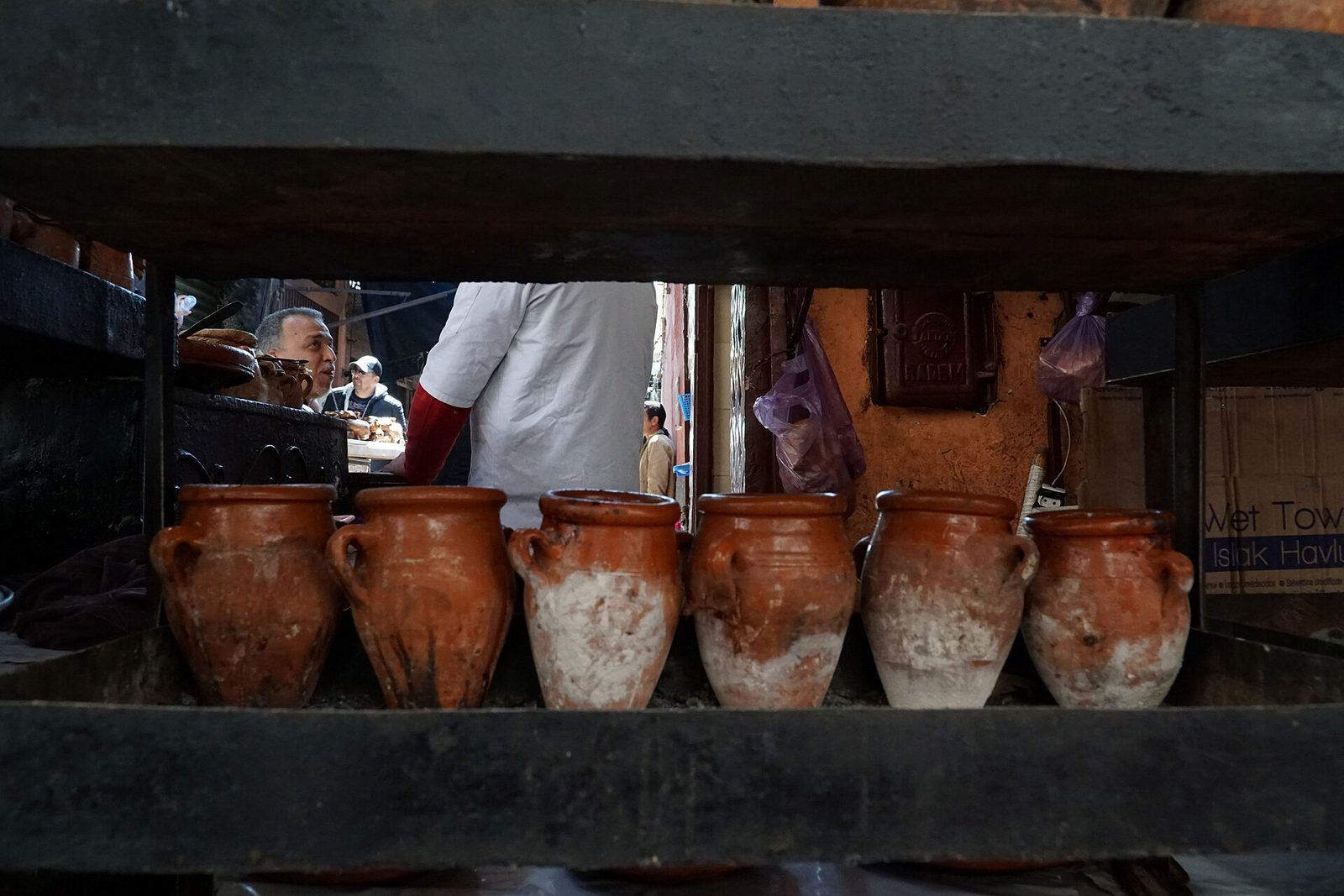
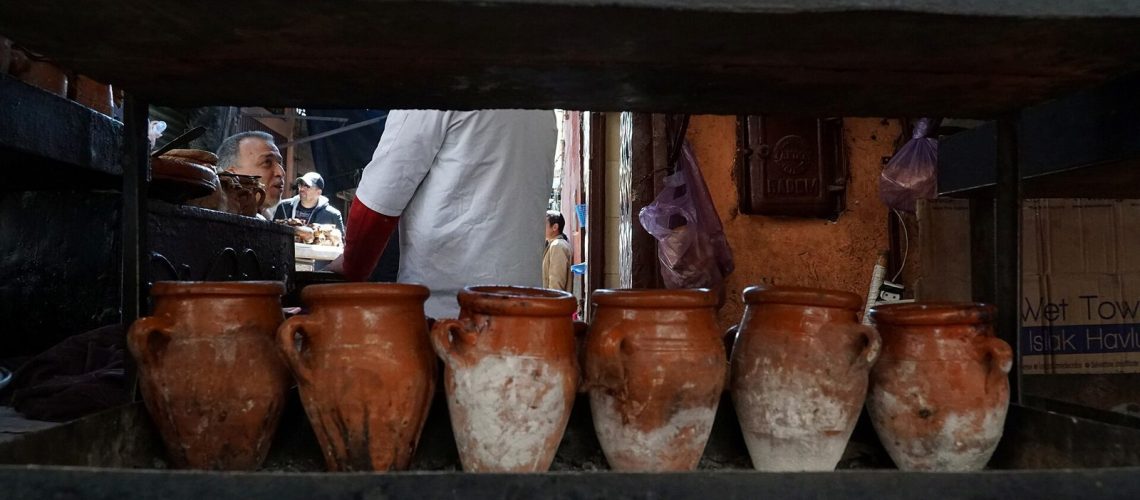
The word refers both to the dish and to the vessel: an amphora-shaped earthenware jar, with one or two handles, into which are packed pieces of lamb or beef (often the shank or shoulder), smen (clarified fermented butter), preserved lemon, garlic, cumin, saffron, ginger and a little water. The jar is closed with paper or a tied cloth, pierced with a few holes.
It then goes to the farnatchi, the furnace that heats the hammam’s water, and stays buried in the warm embers for four to seven hours. This slow cooking requires little intervention: the meat becomes meltingly tender and falls off the bone, while the juices concentrate.
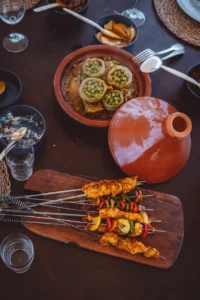
The difference from the tagine lies in this method. The tagine simmers in a dish topped with a conical lid and often includes vegetables; the tanjia cooks slowly covered in a jar, around the meat, smen, preserved lemon and spices. It is more rustic, more powerful, and the dish remains closely associated with Marrakech.
Where to taste it
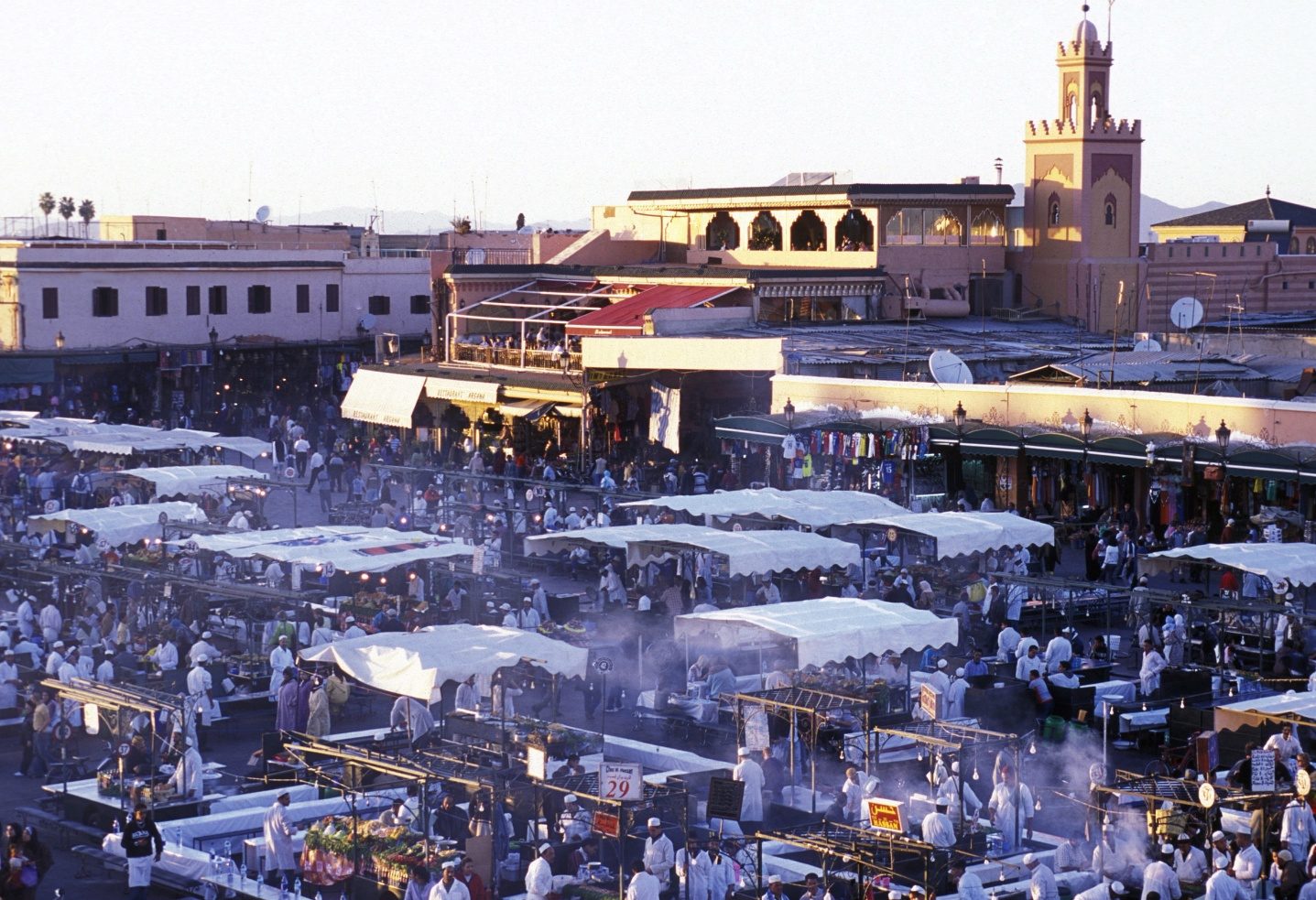
In the local eateries of the medina
The local eateries of the medina offer the most traditional setting: small, undecorated rooms, often near the souks or on the edges of the square, where the jar is served just as it is with bread. The service is direct, the menu fits on three lines, and the clientele is local. Expect €6 to €12 a portion.
These spots mainly serve at lunchtime, and often until they run out: arrive before 2 pm. A couple of words of French or Arabic are enough, and it is customary to ask the price before sitting down.
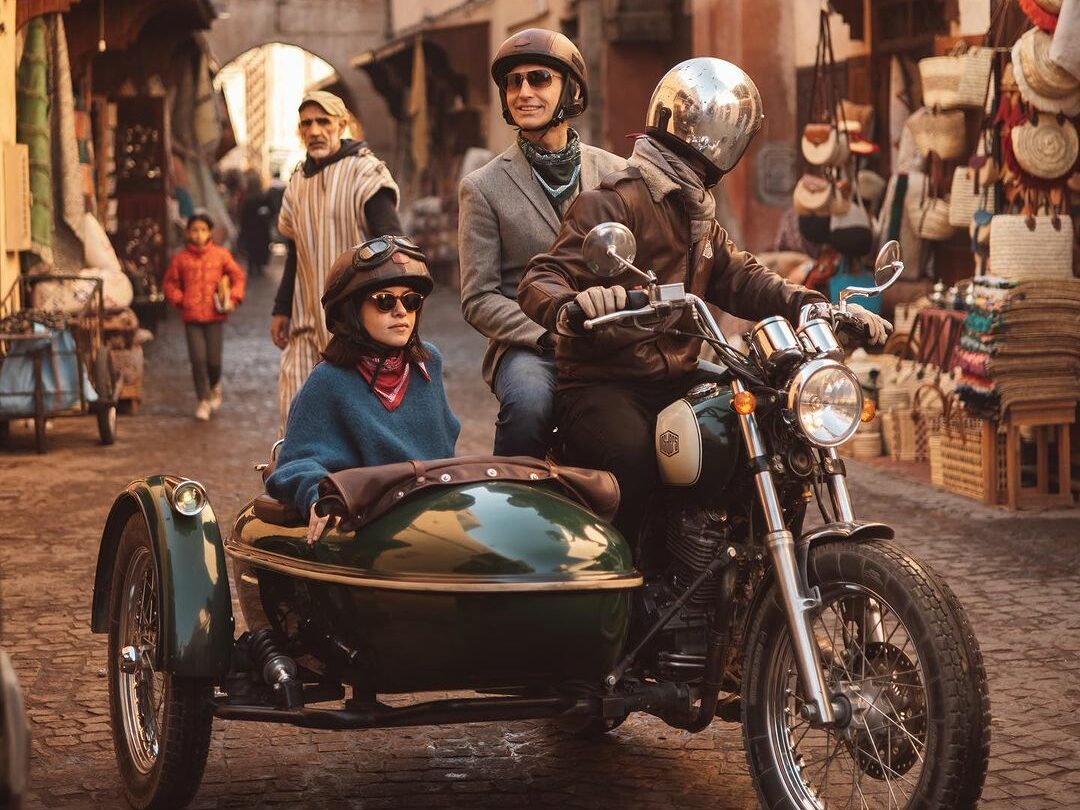
Get ready for your next adventure with our sidecar city tour of Marrakech
In the restaurants of the medina
Many traditional eateries offer it as a main course, served in its jar or plated, with a side. Expect €20 to €40 per person for a full meal. This is the most comfortable option, and often the one that offers the best balance between the setting and the plate.
As the tanjia requires several hours of cooking, it almost always has to be ordered the day before at this kind of establishment. Some eateries serve it without a prior order, but availability is not guaranteed.
On the square, in the evening
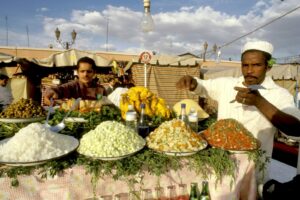
A few stalls on Jemaa el-Fna serve it among their specialities, alongside the snails and the grills. Expect a few euros a portion, in the atmosphere of the square. Quality varies: the best guide remains the local crowd in front of the stand.
The Marrakech Night Ride lets you extend the tasting experience on a private 1½-hour ride through the illuminated city, with a street food stop in the medina.
Preparing and cooking your own tanjia
Some cookery workshops offer you the chance to prepare your own jar and take it to the neighbourhood furnace, then come back to collect it in the late afternoon. This is the most complete experience, and the only one that shows the farnatchi, this usually invisible place where the wood burns continuously to heat the neighbouring hammam. Allow half a day and, as a guide, a budget of €45 to €70 for the cookery class.
How to order it and what to serve with it
| Where | Budget | When | Good to know |
|---|---|---|---|
| Local eatery in the medina | €6 to €12 | Lunchtime | Served until it runs out, ask the price beforehand |
| Traditional restaurant | €20 to €40 for the meal | Lunchtime or evening | To be ordered the day before in most cases |
| Stall on Jemaa el-Fna | A few euros | Evening | Choose a stall busy with locals |
| Workshop with cooking at the farnatchi | €45 to €70 | Half a day | To be booked 2 to 3 days in advance |
At the table, the tanjia is traditionally eaten with bread, which lets you grip the meat and mop up the juices. It is traditionally accompanied by a mint tea and is a hearty dish in its own right: there is no need to plan a generous starter.
What to know before ordering
It is a rich dish that lingers on the palate, which is precisely its appeal but can surprise palates expecting a vegetable tagine. The smen in particular has a pronounced fermented taste that some love and others do not: if you are hesitant, share a portion between two rather than ordering one each.
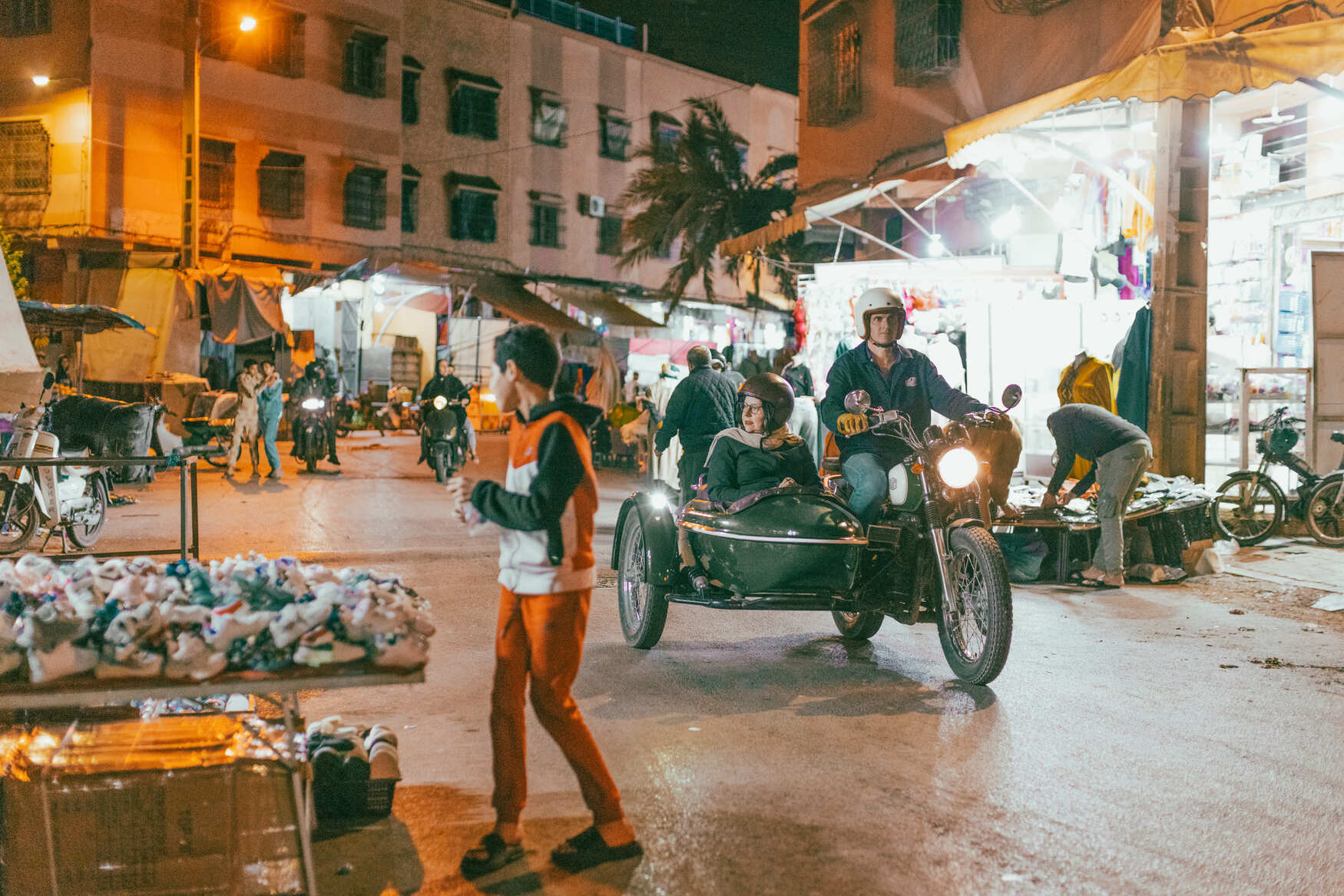
Discover all our Marrakech excursion rides
There is no vegetarian version: the tanjia is by definition a meat dish. Vegetarian dishes presented under this name are therefore contemporary adaptations.
Finally, allow plenty of time: lunch is eaten late in Marrakech, and the tanjia lends itself more to a leisurely meal than to a quick break. Avoid scheduling a visit at a fixed time just after lunch.
What the tanjia tells us about Marrakech
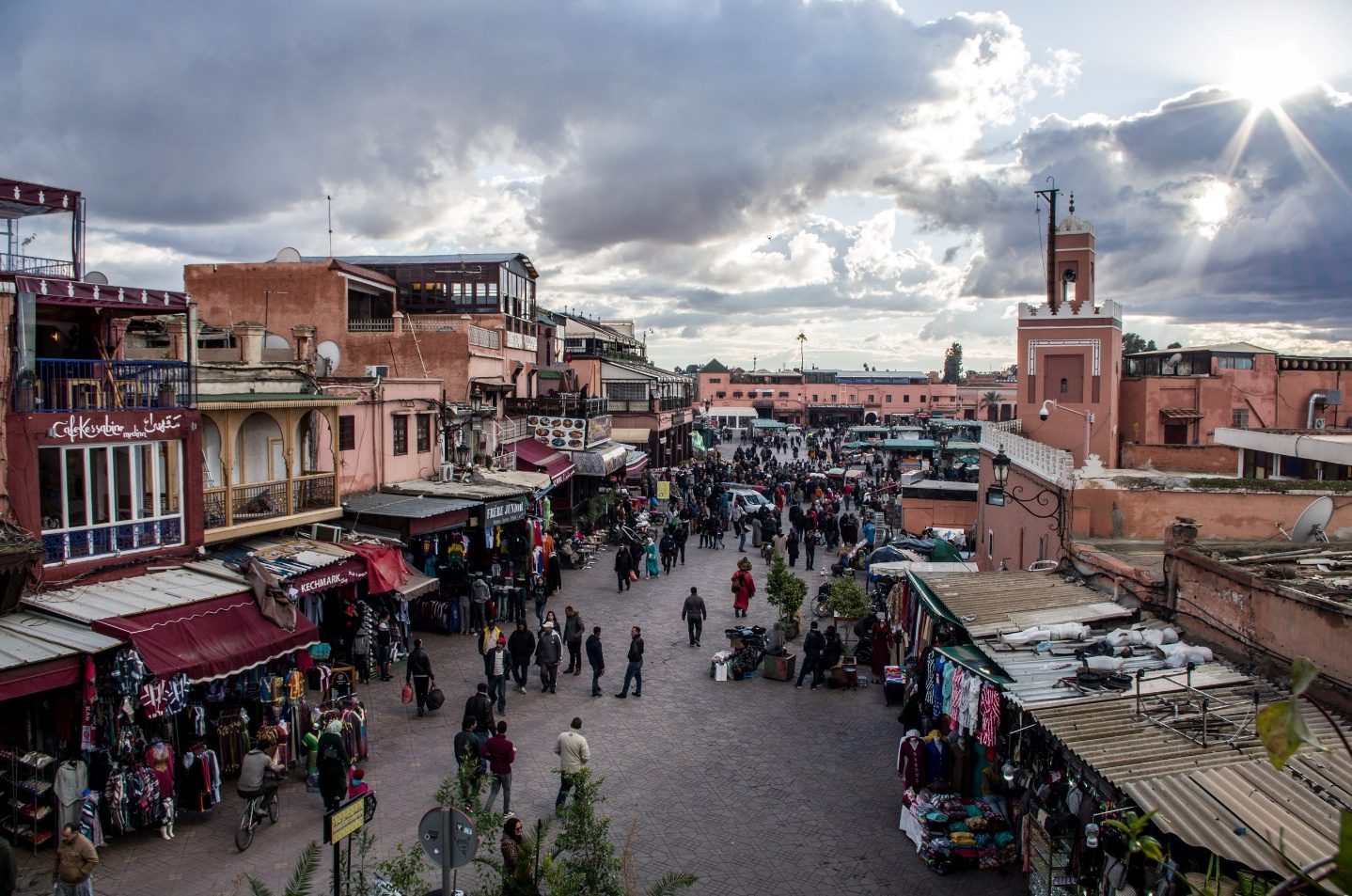
The tanjia reflects a collective organisation unique to the neighbourhoods of Marrakech: the heat produced for the hammam is also used to confit the jars entrusted to the farnatchi. This everyday life, discreet from the main thoroughfares, is an integral part of the medina’s identity.
It is this Marrakech that the Essential Ride tour by Marrakech Insiders crosses: 1½ hours between the Palmeraie, the Guéliz and the Medina with its fondouks, the kasbah, the Mellah and the tanners’ quarter. The itinerary is always discussed at the start with your Insider to settle on the most interesting route according to your wishes.
The tours and their prices are detailed here. For a practical question, WhatsApp remains the quickest.